
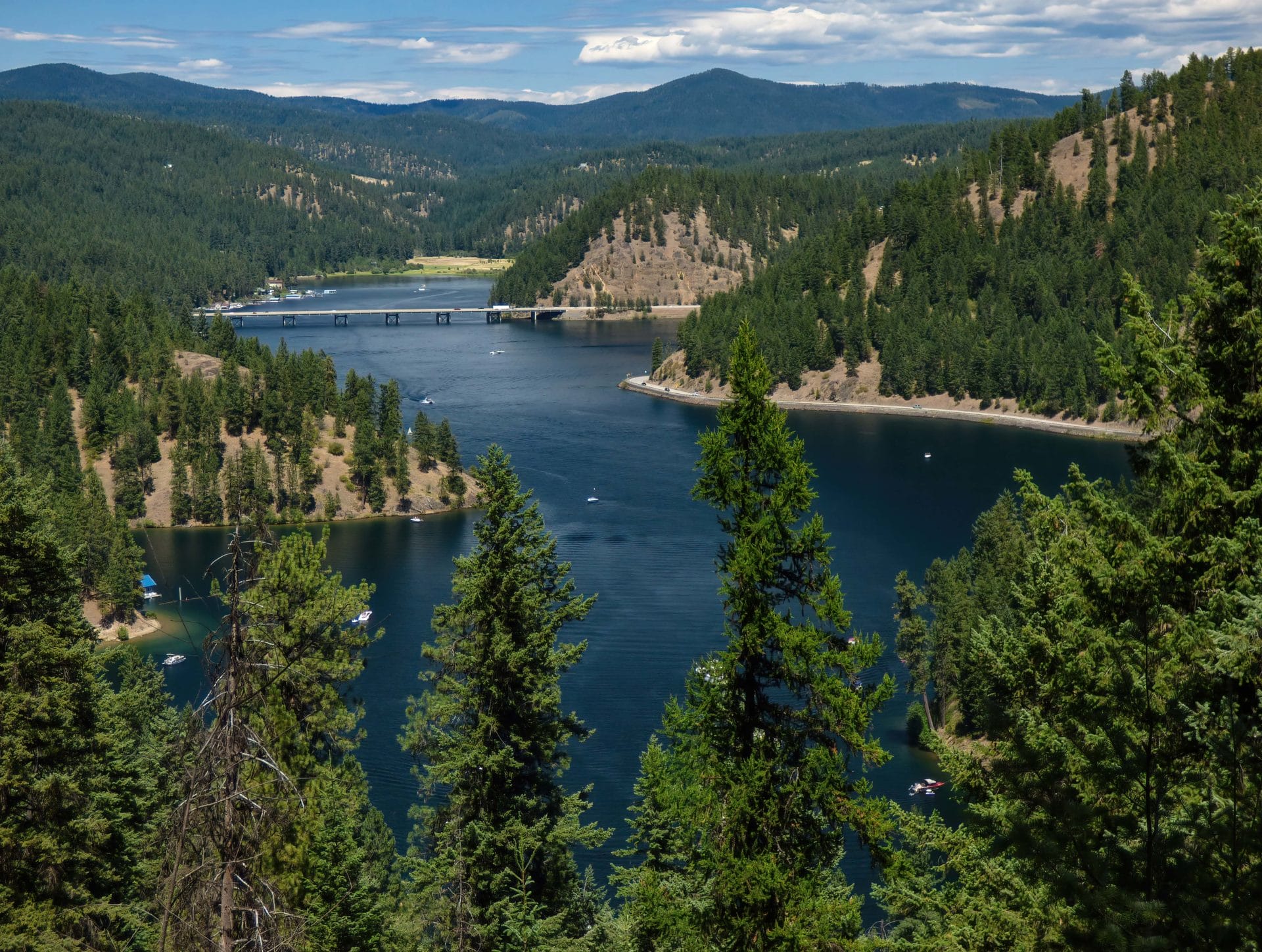
The water in Coeur d’Alene Lake has always carried a kind of quiet reputation—clear enough to reflect the sky in perfect detail, yet layered with a history that only locals and long-time observers fully understand. On calm summer mornings, the surface looks pristine, a deep blue mirror broken only by the wake of early boats or the rise of fish. But beneath that beauty lies a more complex story shaped by decades of mining, environmental recovery, and ongoing stewardship.
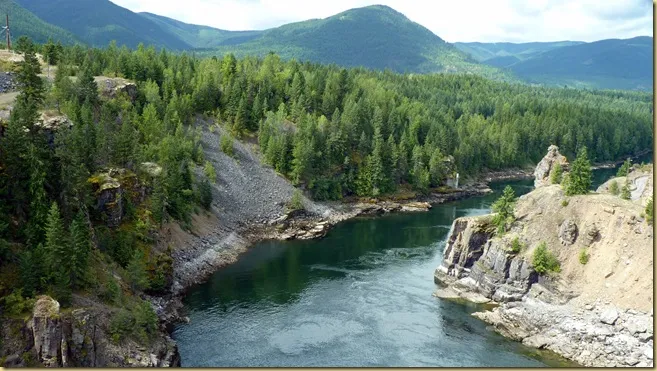
The lake is fed by two primary rivers: the Coeur d’Alene River to the south and the St. Joe River to the east. Each brings its own character. The St. Joe, often called one of the cleanest rivers in the region, flows cold and clear from largely undeveloped forestland. Its water is crisp, almost untouched, and plays a crucial role in diluting and refreshing the lake. In contrast, the Coeur d’Alene River carries the legacy of the Silver Valley’s mining past. For generations, runoff transported trace amounts of heavy metals downstream, settling into lakebed sediments. Today, extensive environmental remediation has significantly improved conditions, but the history remains part of the system’s DNA.
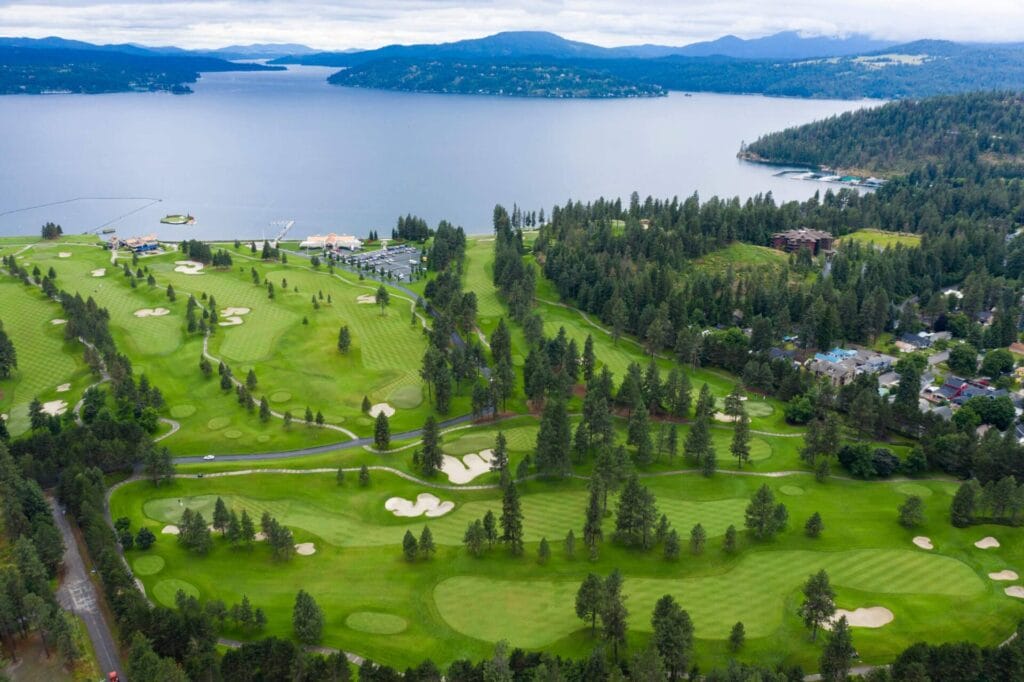
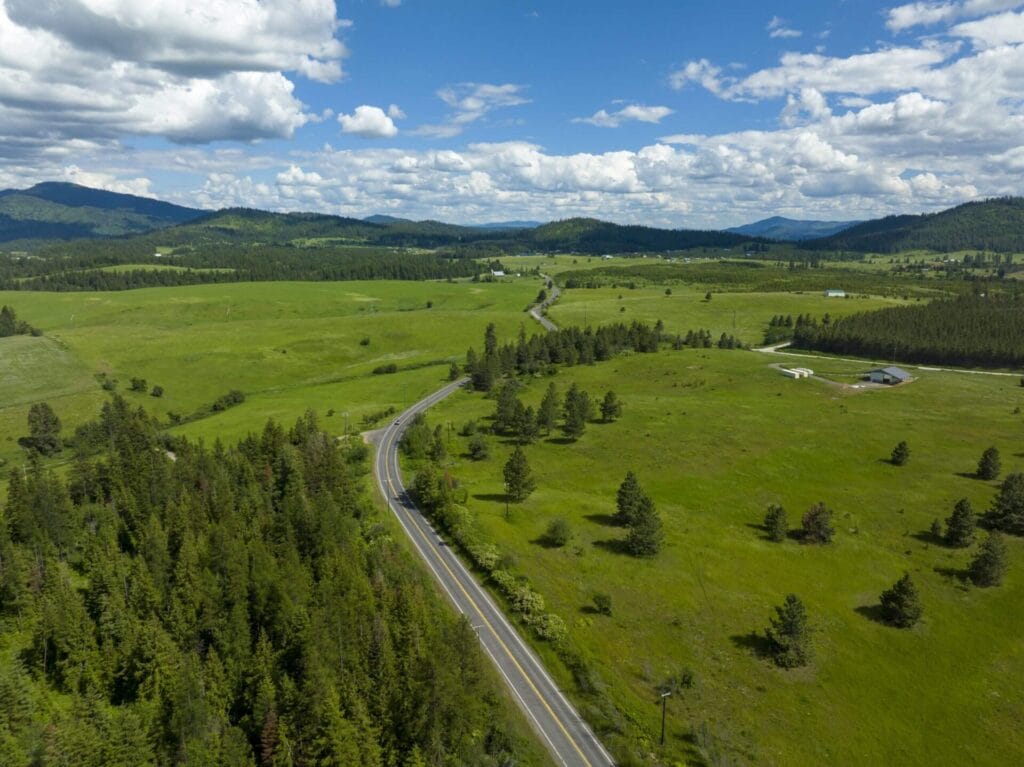
Despite this, water quality in the lake is generally considered high by recreational standards. Residents swim, boat, and fish throughout the warmer months without concern. Seasonal monitoring shows that clarity and oxygen levels remain strong, particularly in the central and northern portions of the lake. However, environmental agencies continue to track nutrient levels and sediment disturbance, especially as shoreline development and boat traffic increase. It is a balance between growth and preservation—one that defines much of the region’s identity.
Beyond the lake and rivers, groundwater tells another part of the story. Many homes around Coeur d’Alene and the surrounding communities rely on wells, tapping into aquifers that run beneath layers of glacial deposits and fractured rock. In most areas, well water is remarkably clean, often requiring minimal treatment aside from basic filtration. It is common to hear residents describe their well water as “better than bottled,” a point of local pride.
However, like the surface waters, groundwater quality can vary depending on location. Areas closer to historic mining zones or older industrial sites may require more rigorous testing. Local and state agencies recommend periodic well testing for contaminants such as heavy metals, nitrates, and bacteria, particularly for properties outside municipal water systems. In newer developments, modern infrastructure and monitoring have helped ensure safer and more consistent groundwater quality.
What ties all these sources together—the lake, the rivers, and the wells—is an ongoing effort to protect what makes the region special. Coeur d’Alene is not just a destination; it is an ecosystem shaped by both natural forces and human decisions. The clarity of its waters reflects not only the surrounding mountains and forests, but also decades of work to restore and maintain balance.
For those who live here or return year after year, the water is more than a resource. It is part of the lifestyle, the economy, and the identity of the place. And while the story of its quality is not without complications, it remains, overall, a story of resilience and careful stewardship.